INDUSTRIES / BIG & BULKY
Home Goods & Furniture
Fulfillment
Furniture and household goods fulfillment for big and bulky brands, the category where the box costs more than the picking. Dimensional weight control, parcel versus LTL routed per order, damage resistant packing, liftgate final mile across Houston, and heavy container devanning 10 minutes from Port Houston.
GET A QUOTE
Get Your Quote
Send us your largest SKU dimensions and monthly order volume and we'll come back with itemized pricing.
WHERE THE MARGIN GOES
The Box Is the Pricing Decision
In bulky goods, fulfillment cost is dominated by cubic feet. Cube decides the storage bill, cube decides the dimensional weight, and cube decides whether an order is a parcel or a freight shipment. Picking labor barely registers next to it.
Which means the highest leverage decision on the floor is what size box the item goes in, and it is the one most warehouses make by reaching for whatever is closest.
40,000+
SQ FT FACILITY
Parcel + LTL
ROUTED PER ORDER
No Minimum
PALLET COUNTS
10 Min
FROM PORT HOUSTON
WHAT BULKY NEEDS
Cube, Carrier and Corners
Three levers decide whether oversized ecommerce is profitable, and none of them is pick speed.
FIG 01
DIMENSIONAL WEIGHT CONTROL
Carriers bill the greater of actual weight or cubic size, so a light bulky item ships at a heavy item's price. Two unnecessary inches on every side can push every order into the next rate band. Cartons are sized to the product, because on bulky goods the box is a pricing decision.
FIG 02
LTL VS PARCEL ROUTING
The crossover point moves with your rates and the destination, so we quote both ways on bulky SKUs and route to whichever is cheaper delivered, including the residential, liftgate and appointment fees that make freight look cheap until the invoice lands.
FIG 03
DAMAGE-RESISTANT PACKING
Damage concentrates in corners and edges and happens in transit, not on the shelf. Corner protection, edge board, double boxing for fragile pieces, and void fill that stops movement rather than filling space.
WHAT IT INCLUDES
Furniture Fulfillment Services by Item Type
Furniture and household goods do not all ship the same way. What we do with each kind of item, and how it reaches your customer.
| WHAT YOU SELL | HOW IT SHIPS | WHAT WE DO |
|---|---|---|
| Flat-pack and ready-to-assemble furniture | Parcel, while the carton stays inside UPS and FedEx limits | Carton dimensions checked at receiving, corner and edge protection, sent by parcel when that is cheaper delivered |
| Assembled furniture: sofas, tables, cabinets, bed frames | Our liftgate and box truck routes in the Houston metro, LTL beyond | Delivery scheduled with the receiver, threshold or inside placement where the address allows, photo and signature proof of delivery |
| Rugs, mirrors, lighting and other long or fragile pieces | Parcel with additional handling, or LTL past the size limits | Double boxing for glass and fragile pieces, edge board on long cartons, factory damage photographed at receiving |
| Household goods: kitchen, tabletop, bedding and decor | Parcel, often several units to one order | Cartons sized to the product so dimensional weight does not push orders into the next rate band, void fill that stops movement |
| Seasonal and outdoor furniture | Parcel or LTL, decided per item | Pallet positions with no minimum count, taken on before the season and given back after it |
| Retail and wholesale replenishment | Our box trucks across Houston and the Texas Triangle, LTL beyond | Case and pallet picks to your store list, dock appointment and signed BOL at delivery |
The line between parcel and freight is mostly a carrier rule. UPS and FedEx cap a parcel at 150 lb, 108 inches long and 165 inches of length plus girth. Additional handling fees start around 48 inches on the longest side or 50 lb, and the large package surcharge around 96 inches long or 130 inches of length plus girth. Flat-pack furniture usually lands inside those limits and assembled furniture usually does not, which is why we price both ways on every bulky SKU.
Oversized goods warehousing is billed by the pallet position, from $15 per pallet per month on our pallet storage racks, so you pay for the cube you hold this month rather than a lease sized for your busiest one. Inside the Houston metro, assembled pieces skip the LTL network altogether: our big and bulky final mile delivery runs scheduled liftgate and box truck routes from The Woodlands to Pearland, and next-day to Dallas, Austin and San Antonio.
WHY ASFAR
Port Proximity Matters Most Here
Every mile a heavy container travels inland before it is unloaded is paid for twice, once in drayage and again in the handling at the far end. Bulky importers feel that more than anyone.
Cube Is the Cost
Pricing and slotting driven by cubic feet, which is what actually bills in this category.
Both Rates Quoted
Parcel and LTL compared per order rather than defaulted for the whole catalog.
Damage Caught Inbound
Factory damage photographed at receiving, before it reaches your customer.
Honest Returns Math
Some oversized returns cost more to recover than to write off. We will say so.
Paying too much to ship air?
Send us the dimensions and weights of your top ten SKUs. We will tell you where your current cartons are costing you a rate band on every order.
PROGRAMS
Imports, Repacks and Seasons
What bulky importers actually need beyond a shelf to put it on.
FIG 04
HEAVY CONTAINER DEVANNING
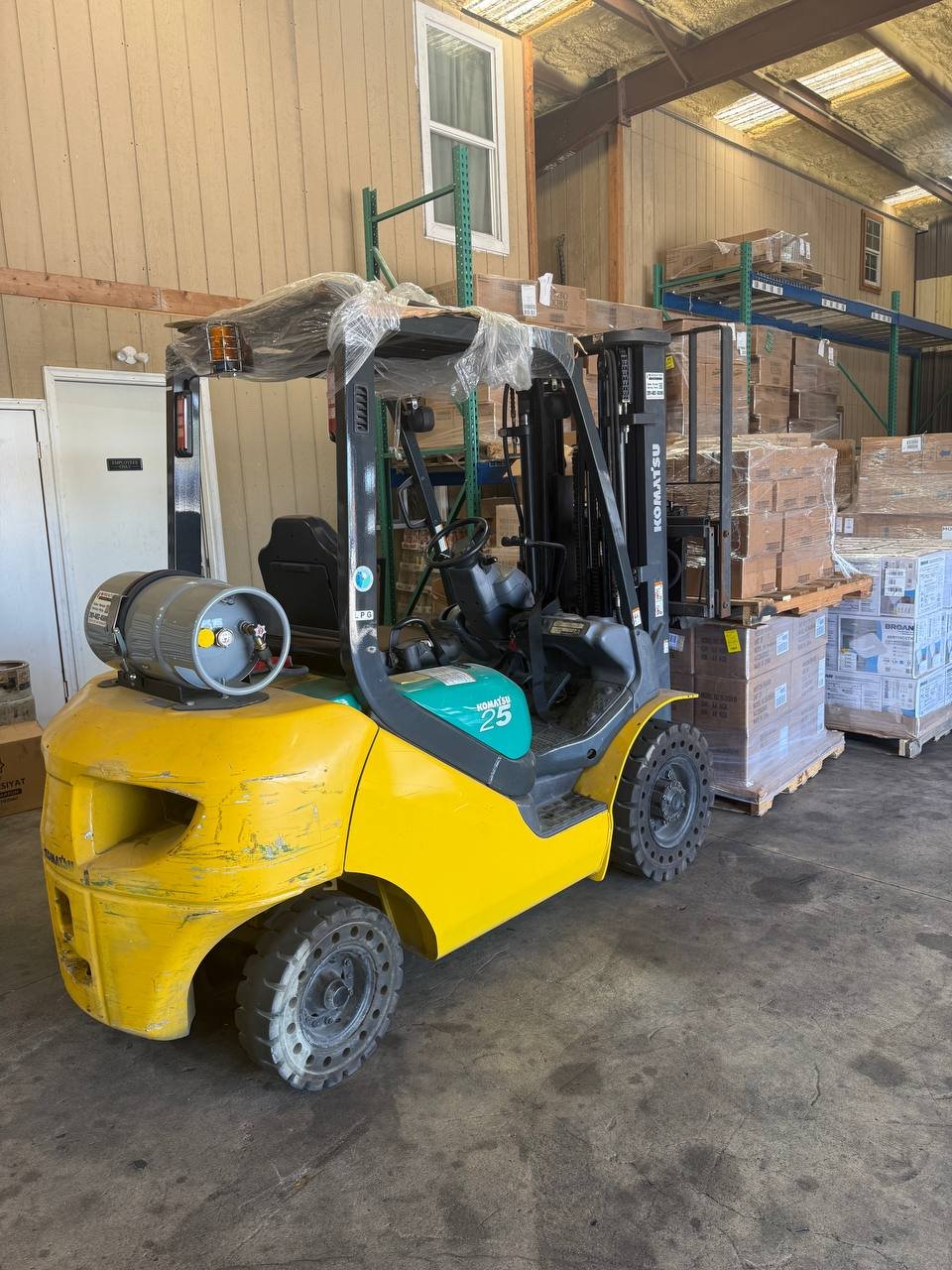
Furniture containers are the hard ones: heavy, awkward, hand stacked, unpalletized, often with mixed SKUs interleaved. Devanned 10 minutes from Port Houston with verified counts and photographed damage, then racked in the same building.
FIG 05
REPACK FOR PARCEL NETWORKS
Imported goods often arrive in packaging designed to survive a container, not a conveyor belt and four handoffs. We repack SKUs whose factory carton is the actual source of your damage rate, which is a common and expensive mismatch.
FIG 06
SEASONAL CUBE SCALING
Bulky inventory eats pallet positions fast, so a few hundred SKUs can outgrow a catalog of several thousand small ones. Flexible terms with no minimum pallet counts, so you take space for the season and give it back afterward.
FAQ
Home Goods Fulfillment, Answered
Q01
How does dimensional weight affect home goods shipping costs?
More than actual weight does, and it is where bulky-goods brands quietly lose margin. Carriers bill the greater of actual weight or the cubic size of the box converted to a billable weight, so a light bulky item ships at a much heavier item's price. A box two inches oversized on every side can move an item into the next rate band on every order. We size cartons to the product rather than grabbing whatever is on the bench.
Q02
When should I ship LTL freight instead of parcel?
Generally when the item exceeds parcel size or weight limits, when oversize surcharges approach freight pricing, or when several units go to one address. The crossover moves with your rates and the destination, so it is worth calculating rather than assuming. We quote both ways on bulky SKUs and route to whichever is cheaper delivered, including residential, liftgate and appointment fees that make freight quotes look misleadingly low.
Q03
How do you reduce damage on furniture and fragile home goods?
Damage concentrates in corners and edges and usually happens in transit rather than in the warehouse. Corner protection and edge board where the geometry needs it, double boxing for genuinely fragile pieces, void fill that stops movement instead of filling space, and inspection at receiving so factory damage is caught and photographed before it reaches your customer. We also repack items whose packaging was designed for a container rather than a parcel network.
Q04
Can you store oversized inventory economically?
Yes, and cube is the real cost driver here rather than unit count. Bulky goods consume pallet positions fast, so a home goods brand with a few hundred SKUs can occupy more space than a beauty brand with several thousand. Our Houston facility is 40,000 sq ft with flexible terms and no minimum pallet counts, so you scale positions up before a season and back down after.
Q05
Do you unload floor loaded furniture containers?
Yes, and furniture containers are usually the hardest. Heavy, awkward, hand stacked and unpalletized, often with mixed SKUs interleaved through the load. We are 10 minutes from Port Houston, so it is devanned by hand with verified counts, damage photographed as it comes off, then palletized and racked in the same building rather than trucked inland to be unloaded elsewhere.
Q06
What happens with oversized returns?
Returns matter more here than anywhere, because the freight cost of recovering a large item can approach or exceed its value. We inspect and photograph on arrival, then repack and restock as A grade, downgrade to open box, or hold for your decision. For some SKUs the right answer is not to accept the return at all, and knowing which ones is worth more than processing them efficiently.
Q07
What do furniture fulfillment services include?
Everything between the factory and your customer's door. Receiving and inspection, including hand unloading floor loaded containers; storage by the pallet position with no minimum count; orders pulled in from Shopify, Amazon and your other channels; cartons sized to the product and packed against corner and edge damage; parcel or LTL chosen per order on the delivered cost; scheduled liftgate delivery across the Houston metro on our own trucks; and returns inspected, photographed and graded. Household goods such as lighting, rugs, kitchen and decor run through the same flow.
Q08
Can furniture ship by parcel instead of freight?
Often, if it ships flat packed. UPS and FedEx take a parcel up to 150 lb, 108 inches long and 165 inches of length plus girth. Additional handling fees start around 48 inches on the longest side or 50 lb, and the large package surcharge around 96 inches long or 130 inches of length plus girth, so a long carton that technically fits can still cost more as a parcel than on a pallet. Past the caps it is freight. We price both ways on every bulky SKU and route each order to whichever is cheaper delivered.
Q09
Do you deliver furniture in the Houston area?
Yes. Assembled pieces and palletized orders go out on our own liftgate and box truck routes, scheduled with the receiver, with threshold or inside placement where the address allows and photo and signature proof of delivery. That covers the Houston metro from The Woodlands and Conroe to Sugar Land, Katy, Pearland and League City, with next-day runs to Dallas, Austin and San Antonio. Everywhere else ships by parcel or LTL, with residential and liftgate fees priced in before the order is routed.